Discover how skin signals can aid in correctly diagnosing critical diseases, resulting in timely treatment and improved results.
Beyond acne, severe disorders might appear through skin signs. Neglecting skin problems for the sake of looks can aggravate the situation. Numerous skin signals serve as red flags for underlying severe disorders.
*Please remember that we DO NOT intend to give medical advice. Any information contained in our resources is provided solely for educational purposes. We strongly advise you to seek the advice of a healthcare expert.
Dark spots

The presence of dark patches on your skin unexpectedly may suggest adrenal insufficiency (Addison’s disease). However, this is not always the case. Muscle/joint pain, loss of appetite, low blood pressure, and sugar levels are other symptoms. If you observe any of these symptoms, contact your doctor right away.
Discoloration

Have you ever had white patches on your skin? It could be vitiligo, a disorder in which melanocytes no longer produce pigment. If you have this problem, see an endocrinologist or dermatologist for a diagnosis and therapy.
Rashes

Rashes are usually thought to signify underlying problems. Rashes that are persistent and severe, whether caused by food, medication, or contagious infections such as chickenpox, should be treated by a doctor. Certain disorders, such as Stevens-Johnson or Lyell’s syndrome, can be fatal. If an adult contracts chickenpox, he or she should seek medical assistance immediately.
Edemas

You should see an endocrinologist if you get everyday edemas because it could imply hypothyroidism. This illness, characterized by inadequate hormone synthesis, can result in dry skin, hair loss, weight gain, and other symptoms. If you have any of these symptoms, please seek medical attention.
Moles
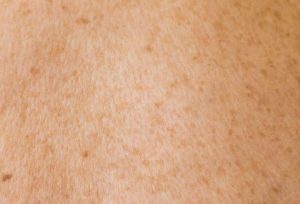
New moles can form on our bodies for various reasons, including heredity. While most moles are innocuous, it is critical to seek medical assistance if you observe rapid development, pain, or noticeable color and size changes.
Acne

Acne is a common skin disorder caused by excess skin oil, hormone imbalances, or digestive problems. Adopt a good skincare routine and seek individualized counsel from a doctor to effectively combat it.
Flaking
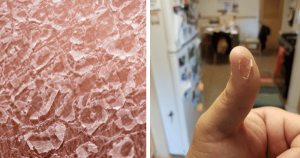
Flaking can occur due to various conditions, including vitamin deficiencies, hormonal imbalances, allergic reactions, and certain diseases. When severe symptoms accompany it, it can suggest the presence of a serious underlying condition.
Excessive sweating

Excessive sweating could indicate Graves’ disease, an autoimmune disorder affecting the thyroid. This can result in thinner skin and chronic itching. If you notice these symptoms, seek medical assistance right once.
Did you aware that skin indicators can detect these dangerous diseases? Leave your opinions in the comments section below!