When it comes to groceries, we usually pay attention to the brand and the expiry date, but when it comes to fruits and vegetables most of us pick the ripe ones that look appealing to the eye. The truth is that fruits and vegetables are also labeled, but not many pay attention to those numbers mostly because they don’t even know what they stand for.
Numbers on fruit stickers like 9
Numbers on fruits serve more than the single purpose of identify how much the item should ring up. In fact, they provide valuable information about the product. If you notice fruit stickers starting with the numbers 9, out of five digits, it indicates that the fruit has been grown organically.
Number 8
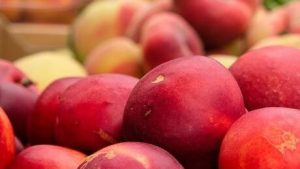
If the five-digit number the fruit is labeled with starts with the number 8, it means the product has been genetically modified. GMO foods are controversial as many believe they cause and trigger allergies. This technology is often used in agriculture to enhance the resistance of crops to pests and diseases, improve tolerance to herbicides, or increase nutritional content.
Currently, researchers still investigate the long-term effects, if any, on humans. Some of the most notable GMO fruits are papayas, apples, plums, strawberries, and grapes, among the rest.
4-digit code
A 4-digit code starting with either number 3 or 4 signifies the food isn’t organically grown. Instead, it has likely been “conventionally grown.” The meaning of conventionally grown food refers to the way they are fertilized. While organic produce uses organic matter like compost and is mechanically or biologically treated for weeds, conventional methods use synthetic fertilizers and pesticides.

The debate about the environmental impacts and possible future health complications involving conventional food-growth methods is ongoing.
Dr. Tamika D. Sims, the senior director of food technology communications in Atlanta Georgia, says both organic and synthetic fertilizers have been “federally regulated.”

According to him, people shouldn’t worry about the numbers on fruits and vegetables they consume but rather focus on reaching a well-balanced diet with a variety of foods needed for good health.
When it comes to picking the right fruits and vegetables, the number of digits also matters. A 4 or 5-digit number indicates where and how the food was grown, in addition to the size and type of food purchased, but when the product is labeled with a sticker consisting of more than five digits, it means it’s not included in the “internationally standardized system.”
For most, going grocery shopping is a dull task they tend to complete as swiftly as possible.
However, knowing that the food we consume is crucial for our survival and maintaining our health and fitness, we should all pay more attention when choosing the food we purchase. The International Federation for Produce Standards is dedicated to “improving supply chain efficiency” which involves, among other responsibilities, ensuring the provision of high-quality ingredients and “establishing and unifying international standards.”
This system was first implemented during the 90’s, when stickers on fruits and vegetables were added. Categorizing these items with numerical codes was to guarantee high quality. The IFPS has issued more than 1,400 such codes. However, since the system is optional, not all fruits and vegetables in stores have been inspected or approved by the IFPS or meet global standards.
Those people who care of the choice of food they consume can find the knowledge behind the meaning of numbers on fruits and vegetables useful. This knowledge can also expedite the self-checkout process by simply entering the PLU code instead of searching for the item by name. The PLU code system is an excellent method to track the delicious and nutritious foods that travel worldwide.
Please SHARE this article with your family and friends on Facebook.