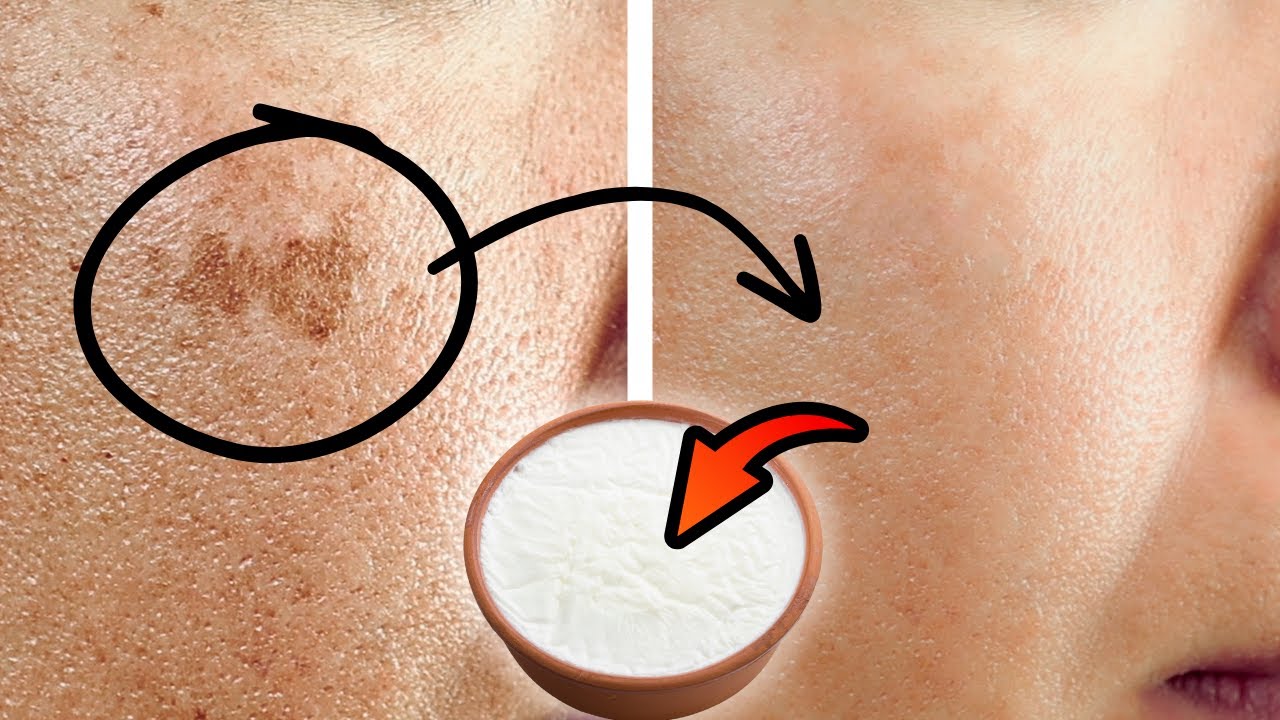
Are age spots making you feel less confident about your skin? Don’t worry, there’s a simple and affordable home remedy that can help lighten those spots. And the secret ingredient is something you probably have in your kitchen – baking soda!
Baking soda, also known as sodium bicarbonate, can do wonders for your skin. It acts as a gentle exfoliant, removing dead skin cells and gradually fading age spots. Plus, its alkaline nature helps balance the pH of your skin, promoting its natural health.
Ready to give it a try? Here are two easy ways to use baking soda to lighten age spots:
Ingredients:
- 2 teaspoons of baking soda
- Enough water to form a paste
Instructions:
- Mix the baking soda with a small amount of water in a bowl until it forms a thick paste.
- Gently apply the paste to the age spots using your fingers. Remember, no scrubbing too hard!
- Let the paste sit on the spots for about 5 minutes. If you have sensitive skin, start with 2-3 minutes.
- Rinse off the paste with lukewarm water and pat dry with a soft towel.
- Don’t forget to moisturize the area to keep your skin hydrated.
- Repeat this treatment 2-3 times a week, but pay attention to your skin’s response and adjust accordingly.
Ingredients:
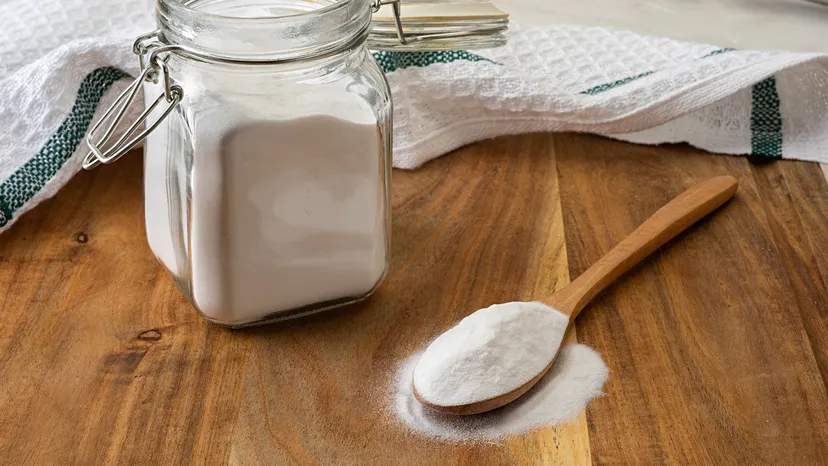
- 2 teaspoons of baking soda
- 1 teaspoon of fresh lemon juice
Instructions:
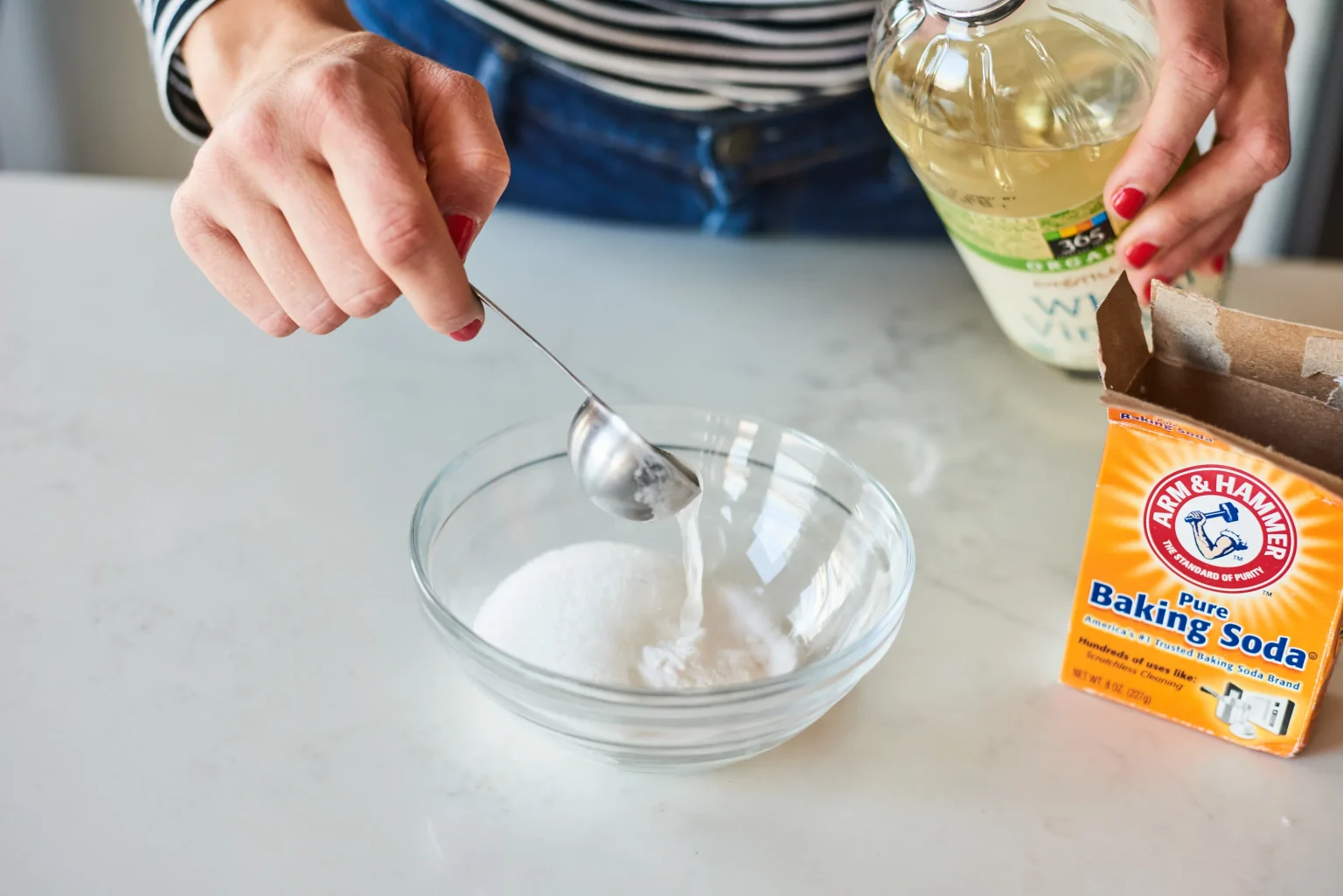
- In a small bowl, combine baking soda and lemon juice. Be prepared for a little fizz!
- Once the fizzing subsides, gently apply the mixture to the age spots using a cotton swab or your fingers.
- Leave the mixture on for no longer than 5 minutes, as lemon juice can be photosensitizing.
- Rinse off the mixture thoroughly with lukewarm water, and don’t forget to moisturize.
- If you’re planning to go outdoors after using lemon juice, make sure to apply sunscreen as it can make your skin more sensitive to UV rays.
- Use this treatment once a week to assess your skin’s tolerance and the effect.
Now, a few precautions to keep in mind:
- Always do a patch test on a small area of your skin before applying any treatment to larger or more visible areas.
- Baking soda treatments can make your skin sensitive to the sun, so remember to always wear sunscreen to protect it from further damage.
- Avoid overusing baking soda, as it can strip your skin of essential oils and cause dryness and irritation. Use it wisely.
Remember, using baking soda to treat age spots is a simple and cost-effective method, but results may vary. If you’re dealing with persistent skin issues or want more dramatic results, it’s always a good idea to consult a dermatologist. Take care of your skin and embrace your natural beauty!