This egg-spert wasn’t yolk-ing around.
Harvard med student, Dr. Nick Norwitz consumed 720 eggs in a month to examine how the “fowl” diet affected his cholesterol and discovered that his levels dropped almost 20 percent.
Norwitz “theorized” before starting his experiment that eating the 60 dozen eggs would not raise his LDL (low-density lipoprotein) or “bad” cholesterol by the end of the month.
Eating an average of 24 eggs daily, which is about one per hour, Norwitz’s “cholesterol intake more than quintupled,” leading to an estimated total of 133,200 milligrams over the month, he mentioned in a video on YouTube.

His LDL levels decreased by 2 percent during the first week on this new diet and then fell dramatically by another 18 percent in the last two weeks.
Before switching to Keto, Norwitz’s normal LDL levels were around 90mg per decimeter while following a ”mixed” standard American-style diet.
When comparing two eggs or half a cup daily against an egg-free high-carb breakfast, there was no change in blood cholesterol levels according to healthline.
The study also showed that people with health problems like diabetes who ate six-12 eggs weekly didn’t see any negative impact on their overall blood cholesterol or heart disease risks; instead it raised high-density lipoprotein (HDL) cholesterol or “good” cholesterol.
Dietary cholesterol connects to gut receptors, which triggers the release of a hormone called Choleson. This hormone binds to a receptor in the liver that stops “endogenous cholesterol synthesis,” helping to keep balance or homeostasis.
“In people who are lean and sensitive to insulin, when they switch to low-carb diets like ketogenic ones, it’s normal for LDL levels to increase as part of a lipid triad,” Norwitz said.
The lipid triad includes “high LDL, high HDL and low triglycerides which makes up a metabolic signature of an eggs-treme change from burning carbs to burning fat,” he added.
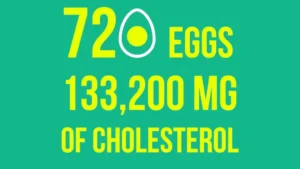
In a surprising twist on diet choices, one person decided to eat an astonishing amount of eggs—24 every single day! This means they were consuming about one egg each hour. As a result, their total cholesterol levels skyrocketed. Experts say that this kind of eating can lead to serious health issues.
Norwitz’s overall consumption was estimated at around 133.200 milligrams over the month which is way above what most people should have in their diets! Eating so many eggs can be risky and might not be the best idea for everyone.
While some may think that eating lots of protein is good for them it’s important to remember balance is key in any diet plan. So next time you think about going all out with your meals consider how it could affect your health long-term!
Adding carbs back into the diet of “lean, mass hyper responders” can help lower LDL levels.
Norwitz picked fruits like blueberries, bananas and strawberries during the last two weeks, leading to a big drop in cholesterol.
Sixty grams of net carbs each day weren’t enough to change his “lean, mass hyper responder phenotype,” but it was enough to make him go in and out of ketosis.
“The extra carbs outweighed the huge amounts of cholesterol I was eating,” he mentioned.
The PhD graduate from Oxford University stated that he consumed 75 grams of saturated fat or 100 calories along with around 5,000 milligrams daily of dietary cholesterol.
According to the American Heart Association, no more than 6 percent of your daily calorie intake should come from saturated fats.
Brown eggs are becoming more popular these days. Many people think they are healthier than white eggs. But is that really true? The color of the egg shell doesn’t change its taste or nutrition. It all depends on the hen’s diet and how it was raised.
Organic brown eggs come from hens that eat organic feed and have more space to roam around. This can lead to better quality eggs! Some studies suggest that these eggs might have a bit more omega-3 fatty acids which are good for your heart.
When you buy brown eggs at the store or farmers market make sure to check if they are fresh! Look for a clean shell without cracks and check the expiration date too. Freshness matters because older eggs can lose their flavor.
In conclusion brown organic eggs may be a great choice if you’re looking for something tasty and possibly healthier but remember it’s important to consider where they come from as well!
Eating two eggs, or half a cup each day, compared to an egg-free high-carb breakfast showed no difference in blood cholesterol levels.
Norwitz explains that he decided to do this “wild” experiment to spark “intellectual provocation” about the extreme messages surrounding diets on social media.
He called it “legit-bait.” Norwitz used his strange eating habits and storytelling to attract more researchers into studying metabolic health.