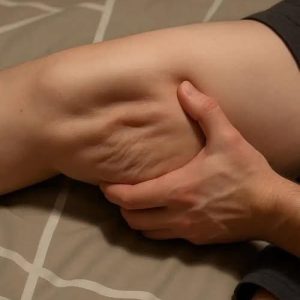
At first glance, crossing legs while sitting appears to be nothing more than a simple, automatic habit. However, this everyday posture reveals a deeper combination of comfort, psychology, social conditioning, and even silent communication. What many people do without thinking is actually shaped by years of subtle influences, both personal and cultural.
For many, the habit begins with comfort. Chairs are not always designed for ideal posture, and crossing legs can feel more natural and relaxed. Over time, this position becomes second nature. Yet comfort alone does not explain why the behavior is more commonly associated with women. From a young age, many girls are taught to sit “properly,” often meaning with legs together or crossed. These expectations—reinforced by family, schools, media, and cultural norms—link the posture to ideas of politeness, modesty, and elegance.
Beyond social influence, body language also plays a significant role. Crossing legs can quietly communicate emotions and intentions without a single word. Tightly crossed legs may signal discomfort or insecurity, while a relaxed posture can suggest confidence. The direction of the legs can even indicate interest or engagement in a conversation. In some situations, the posture also creates a sense of personal safety, subtly forming a boundary in unfamiliar or public environments.
Clothing further contributes to the habit, as skirts and dresses often encourage leg crossing for comfort and coverage. While some believe biological factors may influence sitting positions, experts largely agree that this behavior is learned rather than innate. Over time, what begins as a conscious effort evolves into an automatic action. Ultimately, crossing legs is more than just a casual habit—it reflects a blend of comfort, culture, and communication, showing how even the smallest gestures can carry deeper meaning.READ MORE BELOW