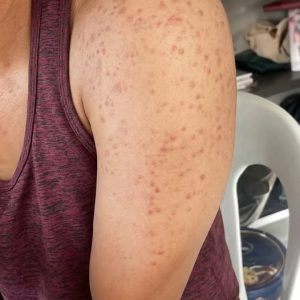
Hand dermatitis, also known as hand eczema, is a common inflammatory skin condition that develops when the skin’s protective barrier becomes damaged. This allows irritants, allergens, and environmental factors to trigger inflammation, causing discomfort that can interfere with everyday activities. Common symptoms include dry, rough skin, persistent itching, redness, flaking, and painful cracks. Some people develop small blisters, while long-term cases may cause thickened skin. Symptoms can appear suddenly or gradually, depending on the underlying cause.
One of the most frequent causes is repeated exposure to irritants such as soaps, detergents, cleaning products, disinfectants, and chemicals. Excessive handwashing can also weaken the skin barrier. Healthcare workers, cleaners, hairdressers, and people who regularly handle chemicals may face a higher risk. Allergic reactions can trigger similar symptoms. Common allergens include nickel, fragrances, rubber products, cosmetic preservatives, and certain skincare ingredients. Cold weather, low humidity, and frequent contact with water can further dry out the skin and worsen irritation.
Although mild cases may improve with basic skincare, severe dermatitis can cause deep cracks that bleed, persistent pain, and secondary infections. Itching may also disturb sleep, while painful hands can make routine tasks difficult. Severe or recurring symptoms should be assessed by a healthcare professional. Regular moisturizing is one of the most effective ways to protect the skin. Apply a thick, fragrance-free moisturizer several times daily, particularly after washing your hands. Gentle, fragrance-free cleansers can also help prevent further irritation.
Protective gloves may reduce exposure to cleaning products and other irritants, although prolonged sweating inside gloves can worsen symptoms. Avoiding known triggers is equally important, especially when an allergy is suspected. Wearing suitable gloves in cold weather can provide additional protection. If symptoms persist or become severe, a dermatologist may recommend prescription creams, topical corticosteroids, or other treatments depending on the cause. Early care, consistent moisturizing, and avoiding triggers can help control flare-ups, protect the skin barrier, and keep hands healthier over time.READ MORE BELOW