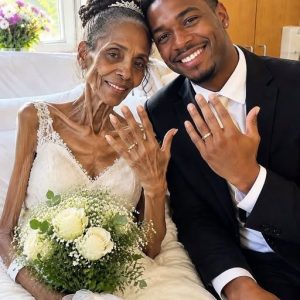
Poor black girl marries 70 Years old Man, 10 days later She discovers… See more

A recent viral story has sparked widespread discussion and emotional responses online, highlighting an unconventional relationship that challenges societal expectations. At the center is a young woman from a disadvantaged background who has entered into a marriage with a man significantly older—reportedly 70 years of age.

The story gained attention not just for the unusual age gap, but for the deeper questions it raises about love, survival, and human connection across generational lines. Many online users have expressed both curiosity and concern, while others have shared messages of support or understanding, reflecting the mixed reactions such a story tends to provoke.

Initial reports indicate that the relationship began in an unexpected way, starting as a bond between two people from very different walks of life. As their connection deepened, it led to marriage, surprising their respective communities and prompting a wave of commentary across social media platforms.

Supporters of the couple point to the idea that love transcends age and circumstance, emphasizing that companionship and emotional support can take many forms. Others, however, have raised concerns about power dynamics and the broader implications of such a relationship, particularly when one party comes from a vulnerable or impoverished background.

As the story continues to circulate, it has sparked broader conversations about agency, economic disparity, and the ways people navigate relationships when faced with limited options or harsh realities. While many are eager to judge or speculate, others see the situation as a reminder of the complexities behind human choices.

Ultimately, the story has become more than just a headline—it’s a reflection of real-world struggles, hope, and resilience. Whether seen as controversial or inspiring, it invites important discussions about love, dignity, and the social structures that influence personal decisions in unexpected ways.


Related Posts

What “SSSS” Really Means on Your Boarding Pass, Why You Were Chosen for Extra Screening by the Transportation Security Administration, How the Secure Flight Program Works, What to Expect During Secondary Checks, and How to Prepare Calmly So Delays Don’t Ruin Your Travel Experience

Air travel blends excitement with stress, from planning routes to navigating crowded airports. Even experienced travelers juggle schedules, documents, and strict rules, making the process mentally demanding…

12 signs that may signal a brain aneurysm — Don’t ignore them

Identifying the warning signs of a brain aneurysm can be difficult, but medical experts are working to raise awareness of this life-threatening condition. According to the Mayo…

Sad News on Obama Family

In May 2024, the Obama family faced another loss with the passing of Marian Robinson, Michelle Obama’s mother. At 86, Marian had been a constant source of…

How a Simple Hug Between a Father and Daughter Working in the Same Hospital Was Completely Misinterpreted, Sparking a Spreading Rumor, an HR Investigation, and an Unexpected Lesson That Forever Changed the Way Everyone in the Workplace Understood Communication, Respect, and Assumptions

Working in the same hospital as my father always felt like a quiet gift. He had been a nurse there for over twenty years—steady, respected, and deeply…

What It Truly Means When Women Choose Pinky Rings Today, How a Small Finger Became a Big Symbol of Independence, Self-Commitment, Healing, Style, Power, and Quiet Resistance Against Traditional Expectations About Love, Identity, and Personal Worth

For centuries, rings have communicated meaning without words, signaling commitment, status, and belonging. Traditionally, that symbolism has centered on the ring finger, closely tied to marriage and…

Stop Before You Step In The Tub Because These Five Common Shower Habits Could Actually Be Secretly Destroying Your Heart Health And Internal Circulation

Showering is usually seen as harmless, but certain habits around timing, temperature, and physical condition can affect how your body—especially your circulation—responds. For most people, these risks…